Special offer for National Smile Month: Get €200 off clear aligners treatment or fixed braces treatment!

Orthodontic Treatment Services

Explore Our Range of Orthodontic Treatments in Dublin

Our priority is to provide the best possible orthodontic care for people of all ages in a caring environment.

Specialist Orthodontic Care for Your Child

Our priority is to provide the best possible orthodontic care for children in a caring environment. A child’s appearance is linked to their well-being. Research shows that crooked teeth can adversely affect children’s well-being. It can greatly affect their confidence and self-esteem. The teenage years are often seen as the best time to have orthodontic treatment because teens are still growing, and correcting complex orthodontic issues in a growing child is easier. It may be advantageous to visit a Specialist Orthodontist even sooner. Dr. Sinnott is a registered Specialist and Consultant Orthodontist qualified to manage all types of orthodontic issues.

Orthodontic FAQs

When is the best time to begin orthodontic treatment?
Although an orthodontist can enhance a smile at any age, there is an optimal time period to begin treatment to ensure the greatest result and avoid prolonged treatment times. The Orthodontic Society of Ireland recommends visiting a Specialist Orthodontist around age eight to nine. The rationale for seeing children at this age is to detect and, if possible, minimise or eliminate a developing orthodontic problem so that the need for later treatment is either reduced or eliminated. We may not recommend orthodontic treatment at this time, but we can offer orthodontic guidance. This allows us to monitor the growth of your child’s smile and intervene at the best time if necessary.
Does my child need orthodontic treatment?

Not all kids or teens require treatment, but it can be extremely beneficial for those who do. Some signs that suggest a child may benefit include:

  • Early or late loss of baby teeth
  • Crowded and/or crooked teeth
  • Finger or thumb sucking
  • Sticking out front teeth 
  • Abnormal bite
  • Top teeth inside bottom teeth
  • Disproportionate jaws
What are the advantages of early treatment in growing children?
  • Facilitating the eruption of teeth
  • Reducing the risk of trauma to front teeth that stick out
  • Correcting problems with the bite/ jaws using growth
  • Harmonise and coordinate the width of the dental arches
  • Improve aesthetics and self-esteem
  • Eliminate, simplify and/or shorten treatment time for later orthodontics
How can orthodontic treatment benefit my child?

Not only can orthodontic treatment enhance your smile – it can also lead to better health.

  • Gum Health: Orthodontic treatment can prevent gum issues, especially in correcting a deep traumatic overbite.
  • Enhanced Chewing Function: Improved chewing function can be another benefit of orthodontic treatment.
  • Trauma Prevention: It can also prevent trauma, as an increased gap between upper and lower teeth can pose a risk to the front teeth.
  • Psychological Well-being: Growing evidence suggests that orthodontic treatment can enhance the quality of life for both patients and their families.
What to expect from your child’s orthodontic treatment consultation?

We will assess your child’s dental development during the initial consultation and determine if they would benefit from orthodontic treatment. Early orthodontic screening may result in a recommendation for no immediate treatment. Instead, we may advise regularly monitoring your child’s growth and development to ensure timely intervention. In some cases, no treatment will be necessary.

What are fixed braces?

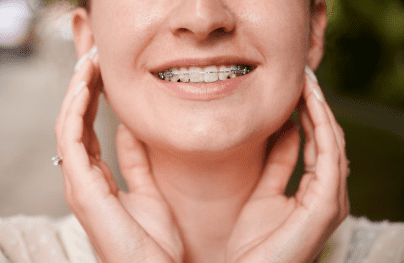
Fixed braces are the most traditional orthodontic solution, our braces options are modern and sleek. From vibrant, fun colours to discreet clear brackets, we have an option for everyone at our practice. Kids can dress up their braces with different colours for fun.

How do fixed braces work?

Fixed braces consist of brackets, wires and small elastics. The brackets attach to the surface of your teeth, while the archwires connect each bracket. The elastics secure them in place. Fitting braces is usually painless, but the teeth will be tender afterwards, mild painkillers and wax will get you over the initial discomfort. Fixed braces are used to guide teeth into proper alignment. This is why you will visit our practice for adjustment appointments over the course of treatment.

What types of fixed braces are available?

Our metal braces are sleek and extremely efficient, proving to be a very common traditional orthodontic option. They achieve a high degree of control over the final positioning of teeth and provide a well-established process towards enjoying confidence-boosting results! You can also tailor the colour of your elastics.

Benefits of Fixed Braces

  • Reliable – This system is well established.
  • Versatile – Metal braces can treat the most severe patients.
  • Customisable – You can customise the colour of your braces.
  • Affordable – Metal braces are generally the most economical orthodontic treatment option.
What are clear ceramic braces?

Ceramic braces use tooth-coloured brackets instead of traditional metal ones. Therefore, they are less noticeable when you smile. Brackets are attached onto teeth the same way that metal braces are fixed to teeth. These brackets are stain-resistant to keep their discretion during treatment.

Benefits of Ceramic Braces

  • Subtle – Brackets are tooth-coloured, making them less noticeable.
  • Accurate – These braces use a similar established system as other fixed braces so that we can achieve your treatment outcomes with precision.
  • Adaptable – We can use ceramic braces to treat even complex orthodontic issues, and they are suitable for all ages.
Do you offer Invisalign® treatment?
We offer Invisalign® First for children and Invisalign for teens. Invisalign aligners are custom-made, clear, comfortable and removable and designed to guide the growth of your child’s smile.
What is a functional appliance?

These appliances work brilliantly with front teeth that stick out, for example, where the lower jaw is deficient. They are usually used in kids who are still growing. The upper and lower removable parts work together. When you bite, the blocks fit together in such a way as to position the lower jaw forward. Over time, the gap between the upper and lower teeth reduces. After this type of brace, braces may be put on to straighten teeth.

What is a crossbite?

The upper teeth fit inside the lower teeth. When the upper front tooth/teeth sit inside the lower front teeth, it can be associated with:

  • A forced shift of the lower jaw (mandibular displacement).
  • Sometimes, the lower incisor (tooth) can be pushed forward and get some gingival recession (the gum recedes from the front of the lower tooth). 
  • This can also be associated with excessive tooth wear.

Our friendly team of professionals are experienced in diagnosing and improving all orthodontic issues.
Habits in children
We’ve all seen it- Thumb sucking, mouth breathing, object chewing; they can all lead to issues in children. An open bite means the upper and lower teeth don’t meet adequately when your child bites together. No vertical overlap of the teeth leads to them looking “open”. It can affect your child’s function, such as biting and chewing.
Why are my front teeth sticking out?
Sometimes, discrepancies in the jaws or habits such as thumbsucking can cause the upper teeth to stick out, creating a larger gap between the upper and lower teeth. This can put your child at a higher risk of dental trauma. The rationale for treatment is that it can reduce the risk of a fractured front tooth and save expensive dental repairs.

Orthodontic Treatment for Adults

You never outgrow the joy of having a beautiful smile. It’s your first impression of the world! Research shows that 1 in 2 orthodontic patients nowadays are adults. Treatment can be successful at any age, and a variety of clear aesthetic brace and aligner options are available. There is still time to improve your smile with less discomfort and better aesthetics. Whether you didn’t get your teeth straightened as a child or didn’t wear your retainer, and now your teeth have returned to their original position, we can help you achieve the smile you desire. Adult Orthodontic treatment can involve collaborating with other specialists. With the most up-to-date technology, treatment is highly customised.

Am I too old for orthodontic treatment?

No, you’re never too old for orthodontic treatment. However, your teeth and gums must be healthy, which we also assess at your consultation to ensure you are treatment-ready. If you aren’t, we can implement a plan to get you dentally fit. Since adults are no longer growing, treatment can take a little longer than they do for kids. However, we can discuss options for every adult smile.

Common Orthodontic Treatment for Adults

Orthodontic treatment for adults can address various concerns, from crooked teeth to jaw misalignments. It’s never too late to achieve a healthy, confident smile.

Metal Braces

Metal braces, also known as traditional metal braces, are a reliable choice for effective teeth straightening. They’re durable and can correct a wide range of orthodontic issues.

Clear Ceramic Braces

Ceramic braces blend in with your teeth, making them a discreet option for orthodontic treatment. They’re less noticeable while still delivering effective results.

Invisalign

Invisalign provides a virtually invisible way to straighten your teeth. These clear aligners are comfortable, removable, and offer a convenient way to achieve a beautifully aligned smile.

Champagne Braces

Champagne braces offer a touch of luxury to your orthodontic journey. These braces are not only effective but also stylish, providing an attractive alternative to traditional metal braces.

Metal Braces

Our metal braces are sleek and extremely efficient, proving to be a very common traditional orthodontic option. They achieve a high degree of control over the final positioning of teeth and provide a well-established process towards enjoying confidence-boosting results! You can also tailor the colour of your elastics.

How do fixed braces work?

Fixed braces consist of brackets, wires and small elastics. The brackets attach to the surface of your teeth, while the archwires connect each bracket. The elastics hold them in place. Fitting braces is usually painless, but the teeth will be tender afterwards, mild painkillers and wax will get you over the initial discomfort. Fixed braces are used to guide your teeth into proper alignment. This is why you will visit our practice for adjustment appointments over the course of treatment.

Benefits of fixed braces

Clear Ceramic Braces

Clear ceramic braces use tooth-coloured brackets instead of traditional metal ones. Therefore, they are less noticeable when you smile. Brackets are attached onto teeth the same way that metal braces are fixed to teeth. These brackets are stain-resistant to keep their discretion during treatment.

Benefits of Ceramic Braces

Aligners / Invisalign

Invisalign® straightens teeth using a series of custom-made, clear, removable appliances without wires or brackets. It’s virtually undetectable; however, there are usually attachments placed on the front of teeth which grip teeth so that they can be efficiently and accurately moved.

Each Invisalign® aligner is worn for approximately one to two weeks. You can remove the appliance to eat, brush and floss, but COMPLIANCE is key as they will not work if not worn as advised, leading to unsuccessful outcomes or prolonged treatment duration. As we are Align Technology-Certified we can ensure the best results

Benefits of Aligners

Multidisciplinary Dental Treatment

Many patients present with multiple dental problems that cannot be solved with Orthodontics alone to produce an enhancing smile. It is always recommended that patients see their own dentist before, during and after orthodontic treatment. Patients may also require the services of other Specialists, such as Oral and Maxillofacial Surgeons, which we can help arrange.

Orthognathic Treatment (Jaw Surgery Treatment)

Orthognathic treatment, also known as corrective jaw surgery, is performed by an Oral and Maxillofacial Surgeon and used to correct discrepancies between the jaw and face that cannot be treated with braces alone.

The Orthodontist and Oral and Maxillofacial Surgeon work closely together to plan and coordinate Orthognathic treatment. Orthodontic treatment is an integral part of corrective jaw surgery. Having the teeth aligned and upper and lower arches coordinated with braces is preferable before the surgical procedure begins. Braces stay on for the entire duration of treatment (before, during and after surgery). 

The hospital stay for surgery is usually one night. After the surgical procedure, the same braces are used to finish correcting the bite. It is important to remember that this is an elective procedure, and only you will decide if you wish to have jaw surgery in combination with your braces. You may not want to choose this treatment option; if so, other options will usually be presented to you.

Normal Jaw
Mandibular Prognathism
Mandibular Retrognathia

For more information, please click link to Your Jaw Surgery – British Orthodontic Society (bos.org.uk)

Previous Orthognathic Patient Testimonial

You and the team have worked miracles and I have never felt more confident with my smile and face. I have no words to describe how truly thankful I am!’ 34-year-old female patient following orthognathic treatment.

Retainers

What are the retainers?

Retainers are custom-made appliances designed to hold your teeth in the position they’ve been moved to following braces or aligners.

Why are they important?

It is necessary to wear retainers immediately after finishing treatment to prevent unwanted movement. Lifelong retainer wear is essential to help ensure that your Orthodontic investment lasts a lifetime. We provide personalised instructions about your recommended wear regime.

Dental Care Finance & Tax Relief Solutions

Schedule a Consultation

Have questions, or are you ready to schedule your orthodontic appointment? Get in touch with Sinnott Orthodontics, the leading orthodontic clinic in Dublin. Our friendly team is here to answer your enquiries and assist you.